Background
In 1997, PPTA Te Wehengarua commissioned an inquiry into the qualification framework to inform debate on what was becoming a controversial matter. The resulting Te Tiro Hou – report of the Qualifications Framework Inquiry , identified key themes which subsequently informed the development of the Framework.
PPTA’s Kaumatua gave the words “Te Tiro Hou” to convey the essence of the task: ‘taking a fresh look’. Given the significant proposal to change our national qualifications, it is time to take a fresh look and update the Te Tiro Hou report.
The sector stands at a crossroads. The decisions made now will shape the experience of learners and teachers for years to come. Tirotiro Hou aims to ensure that those decisions are informed, inclusive, and grounded in a deep understanding of education.
Membership of the expert panel
Members of the panel represent experienced educators, academics, sector leaders, members with a sound understanding of Māori education and the equity index, and undoubtedly diverse opinions on assessment. The panel membership reflects intellectual diversity.
The panel’s report is planned to be presented to the PPTA Te Wehengarua Annual Conference in October.
Expert panel members
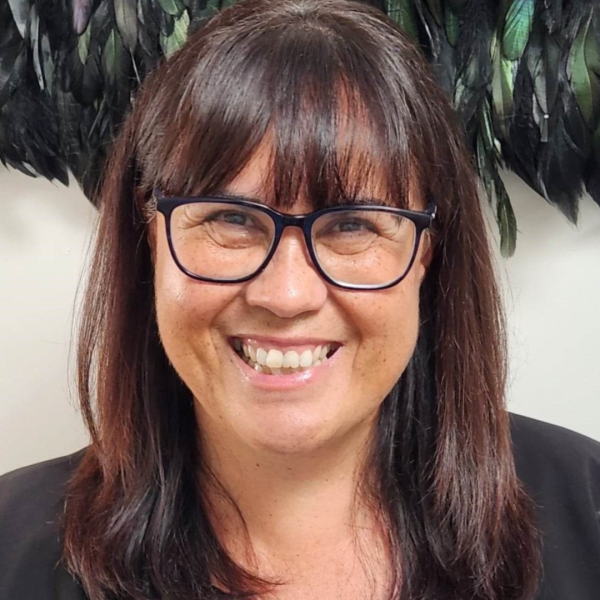
Melissa Denzler (co-chair)
NZCER researcher, wāhine Māori, an educator committed to uplifting the mana of our people, our mātauranga, and the diverse worldviews that shape Aotearoa. At NZCER, she contributes to kaupapa Māori and equity-focused projects that centre the voices of those most affected by systems change. She works extensively within the sector to support equitable use of assessment and data practices.
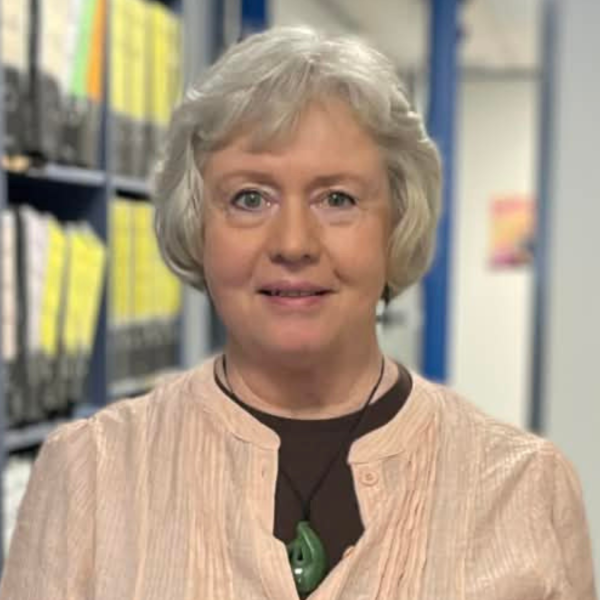
Kate Gainsford (co-chair)
Recently retired as Principal of Aotea College and SPC chairperson - Kate brings a wealth of educational experience and sector leadership. The system and operation of assessment for qualifications in the senior secondary school is of particular interest to Kate. She first served as PPTA’s representative on the Scholarship Review Group in 2005 and has been a representative of many national reference groups convened by the Ministry of Education, NZQA and ERO to provide advice and feedback from the sector and communication back to the sector.
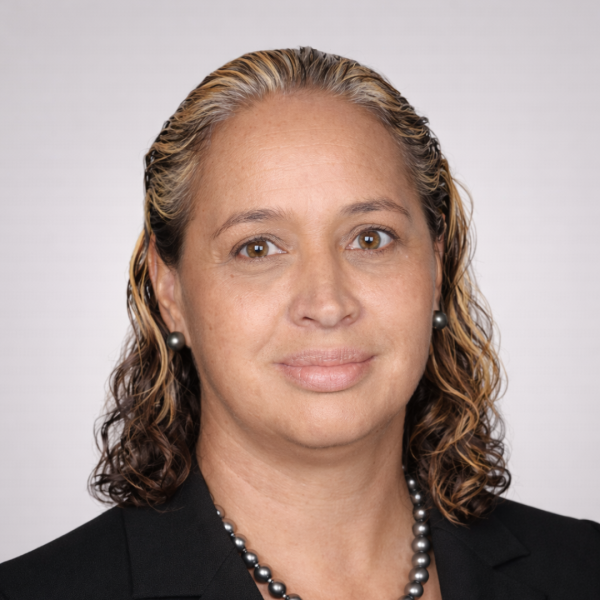
Natalie Faitala
As HoD English at Wesley College and PPTA Executive member, Natalie brings a wealth of experience to the panel. She has made significant contributions to NCEA, curriculum reform, and sector consultation, including service on NZQA’s Taupulega Pacific Advisory Group, the NCEA Professional Advisory Group, Review of Achievement Standards, Subject Expert Group for English, and the Te Mātaiaho English Curriculum Writing Group.
Claire Amos
As Principal of Albany Senior High School, Claire has overseen innovative assessment approaches that ensure validity, rigour, and relevance. She is an experienced educator with extensive experience in curriculum and assessment design and delivery at system and school levels, including direct involvement with NZQA on the realignment of NCEA standards and future state advisory work. Claire has held governance roles with Netsafe, the Education Council of Aotearoa, the NZQA Future State Brainstorming Group, and advisory roles to government and the tech sector.


Andrew Basher
As Principal of Buller High School, Andrew will contribute a sound understanding of rural NZ secondary schooling as well as experience in working within the NCEA environment as a teacher, marker, panel leader and moderator over many years. Andrew was a member of the Equity Index Sector Reference Group (2020 – 2022) and has been a NZQA Panel Leader – Level 1 Mathematics (2005 – 2023).
Gavin Brown
Professor (Educational Assessment), Auckland University. Gavin is Director of the Quantitative Data Analysis and Research Unit and Hub leader of the Learning Sciences and Psychological Studies. He is a member of the Technical Overview Group Assessment (TOGA) at NZQA and was a member of the Technical Advisory Panel, Ministry of Education Equity Index Model (2018).


Pip Osborne
Kaiārahi for Technology Education New Zealand (TENZ) and a Professional Teaching Fellow at the University of Auckland, Pip has a strong background in national curriculum and assessment development, NCEA changes with MOE, and moderation support. She has been an NCEA regional lead and NCEA implementation facilitator. Pip’s work spans secondary, vocational, and tertiary pathways.
Karen Dobric
DP Papatoetoe High School, Karen brings deep knowledge and experience in secondary, tertiary and vocational pathways. She has served as Co-Chair for the MOE Pathways Advisory Group and was the only representative from secondary on the NZQA Review Panel for the Level 1-4 Foundation and Bridging Qualifications. She also served on the Scholarship Processes Advisory Group and helped found the Aotearoa Foundation Skills and Pathways Association. Karen is an academic researcher and secondary educator.
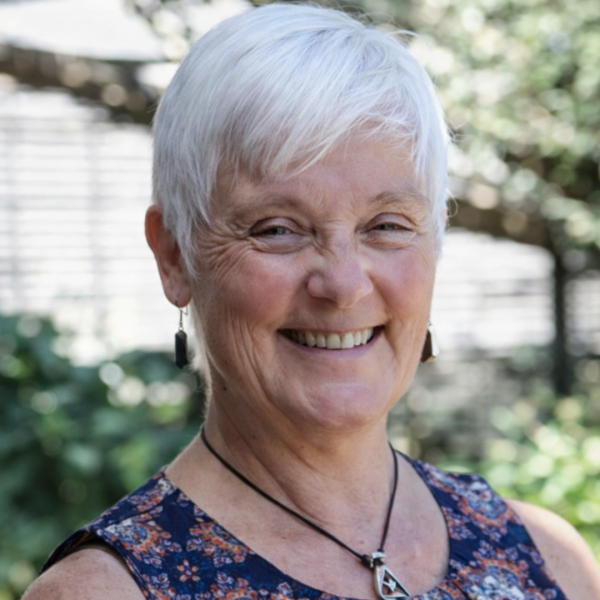

Katy Thorne
Currently leader of Mathematics at Aquinas College, Katy has been directly involved in the Numeracy and NCEA Level 1 pilot programmes. These have given her both insight into the intent behind recent changes and a clear understanding of their practical implications in schools. Katy’s wider involvement as PPTA Branch Co-Chair, PPTA Regional Women’s Representative, and President of the Bay of Plenty Maths Association has enabled her to build strong relationships across the sector and engage deeply with teacher voice, assessment issues, and curriculum priorities.
Terms of reference
The recommended terms of reference for TIROTIRO HOU (2025)
- To consult widely and ascertain credible voices on the 2025 proposal to change the national qualification.
- To consider the input, response and support from the sector to the change proposal.
- To draw on appropriate research.
- To analyse whether the 2025 change proposal is educationally valid.
- To assess the visibility and application of Te Tiriti principles within the 2025 change proposal.
- To analyse whether the 2025 change proposal meets the needs of all learners.
- To investigate the manageability, resource and workload implications of the 2025 change proposal.
- To make recommendations on appropriate responses to the change proposal and further ways to shape the qualifications.
- To report on findings to PPTA Executive.