
Reflections from the Unmet Needs Summit
Despite the best intentions of Tāwhirimātea, PPTA Te Wehengarua held an Unmet Needs summit in Te Whanganui-a-tara over the last weekend of June. With just under half of the attendees able to make it to the capital, we nonetheless had two days of thoughtful discussion and problem surfacing.
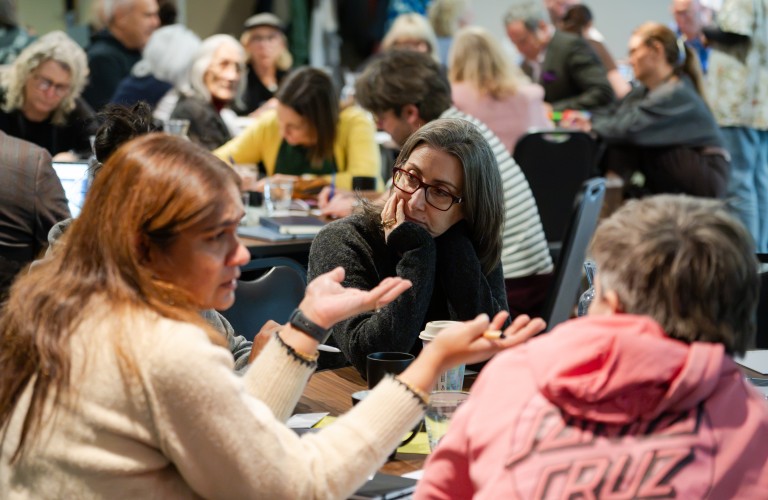
The weekend was full of immense aroha for our students and our teachers. Despite the incessant wave of (sometimes needless) change, summit attendees turned up with their game face on, and for the most part they were smiling.
The summit was an opportunity to hear our members’ experiences, frustrations, joys and disappointments. We heard, we listened, and we intend to take the ideas to the highest level we can.
We came together to identify the unmet needs that are preventing learners from thriving, understand what is driving those needs, and start to agree on the actions that government, agencies, schools and our profession must take.
Underpinning our discussion was a commitment to meeting the obligations under te Tiriti to Māori. Education has become hyper-politicised, and the rights and mana of Māori have been trampled and attacked from so many angles. The impact of the current system changes will have a negative impact on rangatahi Māori, and we must stand together as a sector to do what we can to resist.
We know change is both needed and welcomed by those in the alternative education. But it needs to be done in partnership with schools, ‘with us, not to us’. Schools and Alt-Ed contexts need better funding and resourcing to make the good changes recommended in the report.
Inclusive learning for ākonga with physical disability and access for those with physical limitations is more than ramps and accessible bathrooms. How can we ensure that our schools are able to meet the needs of their communities?
How can we support our rangatahi whose families are experiencing socio-economic deprivation? Schools hold an important place in the lives of our students – especially those have not been served well by neoliberal economic policy. School lunches, school nurses and counsellors are just a part of the services that we can offer our young people.
Secondary schools face particular challenges and complications that we need to explore. Supporting one learner consistently across multiple teachers is a feature of all Secondary schools regardless of their pedagogy or character.
A Year 9 student may have an English teacher, a Maths teacher, a Science teacher, a Social Sciences teacher, PE teacher, an Arts teacher, and Technology teacher - if they’re lucky.
Additional support often intersects with SACs, added literacy requirements, assessment accommodations, adolescent mental health needs, neurodiversity, trauma, attendance challenges, behaviour support, transition to employment or tertiary study – and all at the same time.
We understand budget constraints and a need for responsible spending of government funding. But what we see is a repeated step up for those already at the top of society’s ladder and the supports, for those who need it most, failing to materialise. In the Aotearoa Educators’ Collective report - on which we heard from Dr Aiono at the summit - there is a line that resonates. “We are told education is an investment, it feels more like a managed shortfall”.
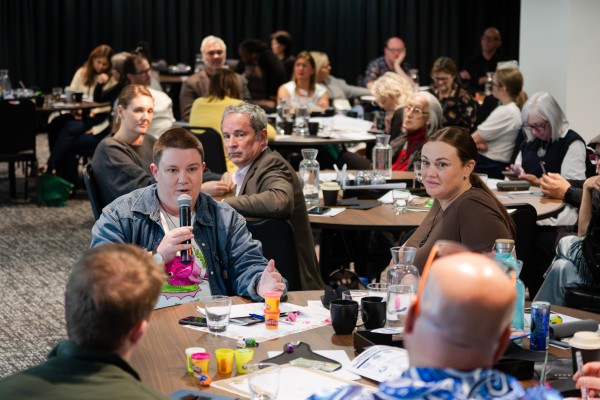
We know that the funding does not always stretch far enough to meet the complexity of supporting students across six or seven different classes, specialist subjects, camps, practical courses, assessment requirements. That said, often the bigger challenge is not students losing ORS at secondary school, but the large number of students who never qualified for ORS in the first place. ORS supports students with the highest needs. Students who do not meet this threshold are left to cope with universal classroom supports.
Perhaps the greatest unmet need sits in the middle? Students whose needs are significant enough to require ongoing support but not severe enough to qualify for intensive funding.
Our students who are diagnosed but unfunded, waiting for assessment, requiring support in multiple subjects, needing regular adult assistance and struggling with literacy, executive functioning, communication, or behaviour.
These learners can be present in every secondary classroom, but schools receive little dedicated resourcing to support them. If ORS disappeared tomorrow, everyone would notice. If all support for the missing middle disappeared tomorrow what would happen in our classrooms?
Hear me out though - what if it materialised instead? What if we funded schools according to actual need.
Let us remember that together we can work to make system improvements for the good of all our rangatahi and students. He waka eke noa – we are all in this together
Written from the summits opening speech from Steve McCracken
Last modified on Thursday, 2 July 2026 12:28