
SMART tool not ready, creates more concerns than solutions – Deputy Principals’ feedback
The initial response from secondary teachers to the new Student, Monitoring, Assessment and Reporting Tool (SMART) indicates there are a range of issues that need to be resolved.
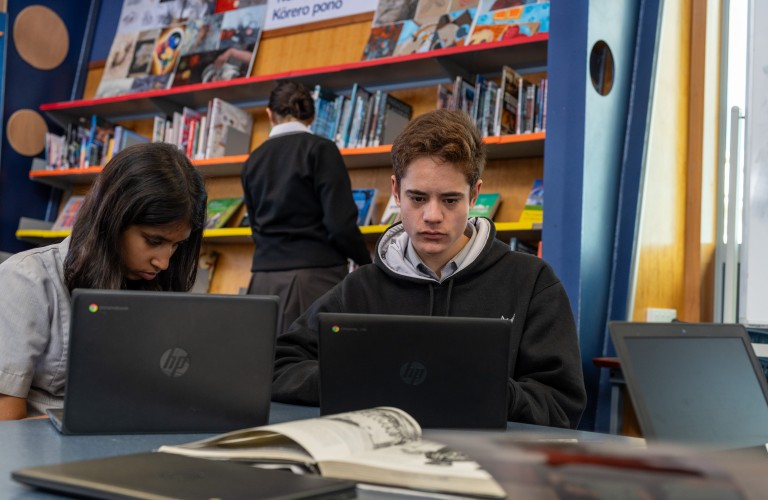
Deputy Principals of Year 7 - 10 students from around the motu took part in a survey and interviews about the tool with PPTA last week. Deputy and Assistant principals are largely responsible for the implementation and monitoring of assessment systems in secondary schools. The first testing period for the SMART tool ended last Friday.
“Teachers who have been using the tool over the last few months seem pretty underwhelmed,” says Chris Abercrombie, president of PPTA Te Wehengarua. It raises serious concerns about the quality of assessment and whether students and the public are getting a fair deal.”
Teachers say the process demands substantial additional resourcing, including extra teaching sessions, administrative time, professional learning, and staff backfilling to supervise assessments, with set-up, log-ins, and multiple test sittings adding further burden.
The tool, which has been imported from Australia, was designed for 90-minute assessments whereas most schools in Aotearoa worked to timetables of 60-minute classes. The lack of alignment was a logistical challenge for secondary schools.
The choice of texts – by Charles Dickens and Shakespeare – being used in the system were questioned by teachers about their appropriateness and relevance for junior students in 21st century Aotearoa New Zealand.
Other feedback from teachers, apart from the survey, reported that the AI in the SMART writing tool seemed to mark students higher based on how much they wrote, as opposed to the quality of the writing.
One teacher found that several students received the same mark for their writing assessment, but when their scripts were compared, there were some significant differences between them. Some were much more structured than others, with evidence and well-supported arguments, yet this was not reflected in the marking.
“Fairness, equity and accessibility are serious issues. Teachers' feedback is that it is a ‘one size fits all’ system that does not cater for students with learning needs and the fact that it is run by AI is clearly problematic. It is simply not going to work, in its current form.
“When the Minister of Education announced the tool, she claimed that it would reduce teachers’ workloads. However, the amount of reviewing that is required to ensure fairness and that students have been assessed accurately, probably adds to teachers’ workloads overall.
“SMART is a multimillion-dollar* investment by the Minister for Education – who was warned by Treasury not to try and bring it in, in 2026 but went ahead anyway. Teacher feedback is that the tool was certainly not ready for implementation this year and that they would be unlikely to be using the data from it to report to parents.
We certainly think there needs to be an independent review into the purchase and rollout of this tool because it currently isn’t fit for use in secondary schools, the accuracy of the AI is a concern and the implementation and change management processes were woeful.
*The 10-year cost of the SMART tool:
-
- $23.077m project capital expenditure
- $37.886m project operating expenditure
- $116.952m ongoing operating expenditure
Last modified on Monday, 25 May 2026 10:10